SMS or Email: Which Channel Do Your Clients Actually Read?
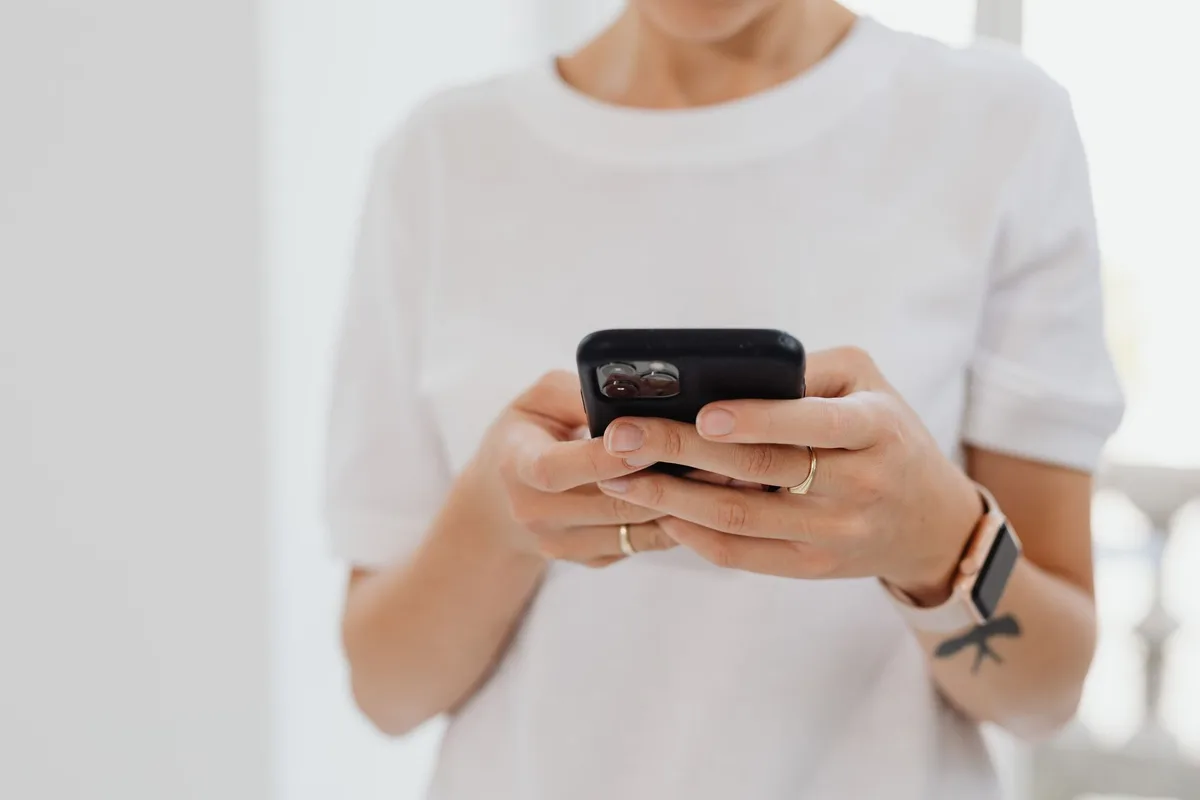
A 2 p.m. slot just opened up and you have three hundred clients in your software. Which channel carries the message? The question is not new, but the answer has changed: text and email are no longer in the same category.
Does your message even get read?
A text shows up on the lock screen. Your client reads it without unlocking his phone, often within the minute. An email lands in an inbox shared with newsletters, receipts and ads, and it waits.
This is the criterion that settles all the others. A message nobody reads has none of the qualities we credit it with.
💡 What I observe with our clients: the personal inbox is barely checked anymore, while the phone is checked all day long. The same message, sent to the same people, does not carry nearly the same weight depending on the channel that delivers it.
The channel where clients answer back
A text reminder is not a one-way message. Your client replies right in the thread, usually in three words: “can’t do Thursday, can we move it?” You hear about the cancellation the day before instead of that same morning, so the slot goes back out.
An email reminder gets almost no replies. It is not a matter of manners, it is a matter of effort: nobody writes an email to move an appointment. The cancellation still happens, you just find out about it too late to sell the hour again. That difference is measured in slots sold.
The message that is worthless tomorrow
A cancellation to fill this afternoon, a stylist running thirty minutes behind, a closure because of a storm. These messages lose all their value within hours.
Email is not bad at this, it is simply too late. Announcing a 2 p.m. opening by email at 11 a.m. is the same as leaving it empty.
The test I give is simple: if the message has an expiry date, it goes by text. If it does not, it can wait.
160 characters and a cost per message
The 160-character limit and the price of a text are described everywhere as the weaknesses of the channel. They are its guardrails. A message you pay for only goes out when there is a real reason, and that constraint protects your relationship with the client.
Email, free and unlimited, does the opposite. It is exactly what produced the monthly newsletter nobody opens, sent because the month is over and not because there is something to say.
⚠️ The trap to avoid: your text thread is a service channel, not a promotional one. Dropping a discount into it is the fastest way to get a client to opt out of the one channel that protects your schedule. And in Quebec, a commercial text requires the same consent and the same unsubscribe option as an email.
Where email keeps the advantage
Some messages should never go out by text: a price increase, a change of address or hours, a receipt, a review request after the visit. They are long, they need to stay searchable, and they call for no immediate reaction.
Sending a price increase by text means buzzing bad news in your client’s pocket without giving him the time to read it calmly. Email has not died, it has changed jobs. It no longer carries, it files.
The comparison at a glance
| Criterion | SMS | |
|---|---|---|
| Message seen | On the lock screen | In a tab, later |
| Client replies | Right in the thread | Almost never |
| Slot to fill today | Arrives in time | Arrives after the fact |
| Long message to keep | 160 characters | No limit, searchable |
| Cost per send | Per message | Close to nothing |
| Recommendation | Text for anything that must be read today, email for anything that must stay | |
Conclusion
The split fits on one line: whatever must be read today goes by text, whatever must be found again in six months goes by email. Almost everything that touches your schedule falls on the text side.
At Flowcut, confirmations and reminders go out automatically by SMS, 24, 48 and 72 hours before the appointment, and 1 hour before on Pro and Enterprise plans. The same messages also go out by email, because a confirmation is worth being visible on both sides. And every client keeps his own communication preferences, channel by channel and message type by message type, so your reminders land where he actually reads them.